


Phobias
Updated: Apr 2
What are Phobias
A phobia is a very strong fear of a specific thing, situation, place, animal or activity. It is more intense than ordinary fear because it can feel overwhelming and make someone think the danger is bigger than it really is.
The many different types of phobias
There are many different phobias people can develop. You may have multiple phobias or just one, most people suffer with a phobia of some sort throughout their life. There are two main types of phobia.
Specific or Simple Phobias
A specific phobia is when one thing feels so frightening that it starts to take over. Even thinking about that object or situation can make someone feel anxious, and the may go out of their way to avoid it.
Complex Phobias
A complex phobia is when fear builds around bigger life situations, like social events or being out in public, rather than one specific thing like a spider or a needle. It can feel overwhelming and may lead someone to avoid places or situations that make them feel unsafe or panicky.
Environment Phobias
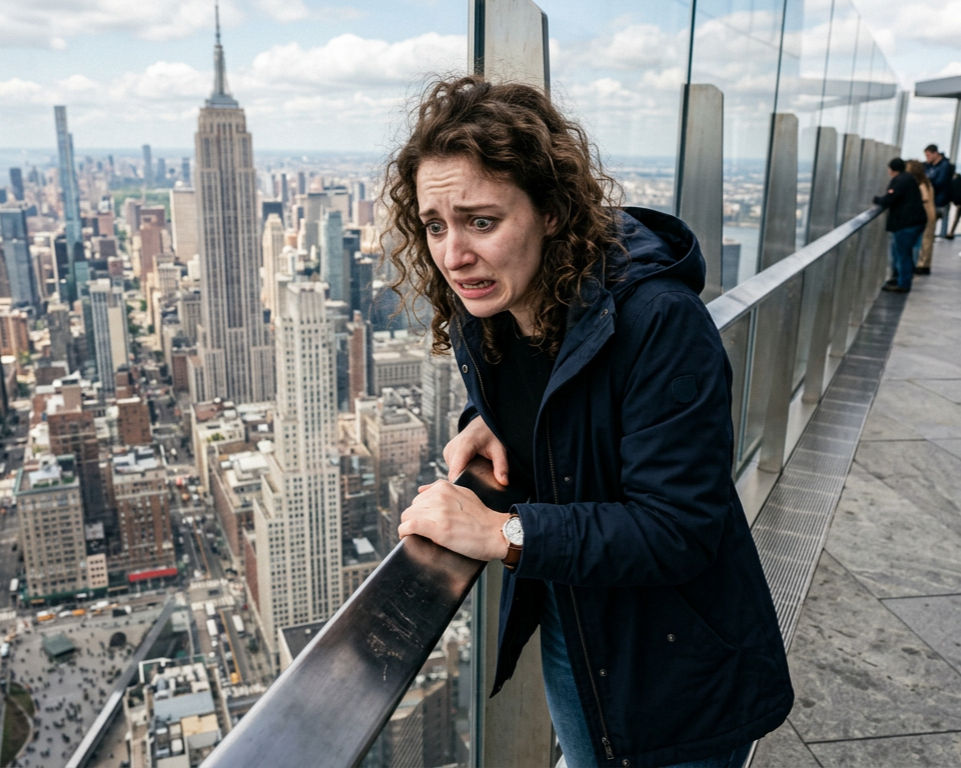
Fears of deep water, thunder and lightning, cleanliness, the dark or heights.

Animal Phobias
Fears of spiders, insects, dogs or rodents.

Body Related Phobias
Fear of needles, blood, vomit, choking or other medical related procedures.

Phobias of Situation
Fears of small spaces, tunnels, flying or the dentist

Sexual Phobias
Fear of sexual acts or nudity.

Other Phobias
Fear of certain foods, objects or.
Causes of Phobias
Phobias often develop when your brain learns to treat something as dangerous, even when it is not as risky as it feels. This can happen after a scary experience, stress, or sometimes by picking up fears from other people.
A frightening or traumatic experience
A phobia can sometimes starts after something scary or upsetting happens, such as being bitten by a dog, getting stuck somewhere, or having very bad experience on a plane.
Early life experiences or learned behaviour
The environment we grow up in can shape how you respond to fear and stress later in life. You can also pick up fears from parents or siblings, if someone acta fearful around you, you may end up connecting that with danger also.
Physical and genetic makeup
Some people may be more likely to develop phobias because of the way their brain responds to fear, or because of the traits they may inherit. This can mean they are natuarlly more sensitive to anxiety than other people. Everyone will experience fear and stress differently.

Comments